
Description
NIST Remote Pilot Proficiency Test Kit Complete Portable Solution for Standardized sUAS Proficiency Testing – Made by a Remote Pilot for Real-World Training
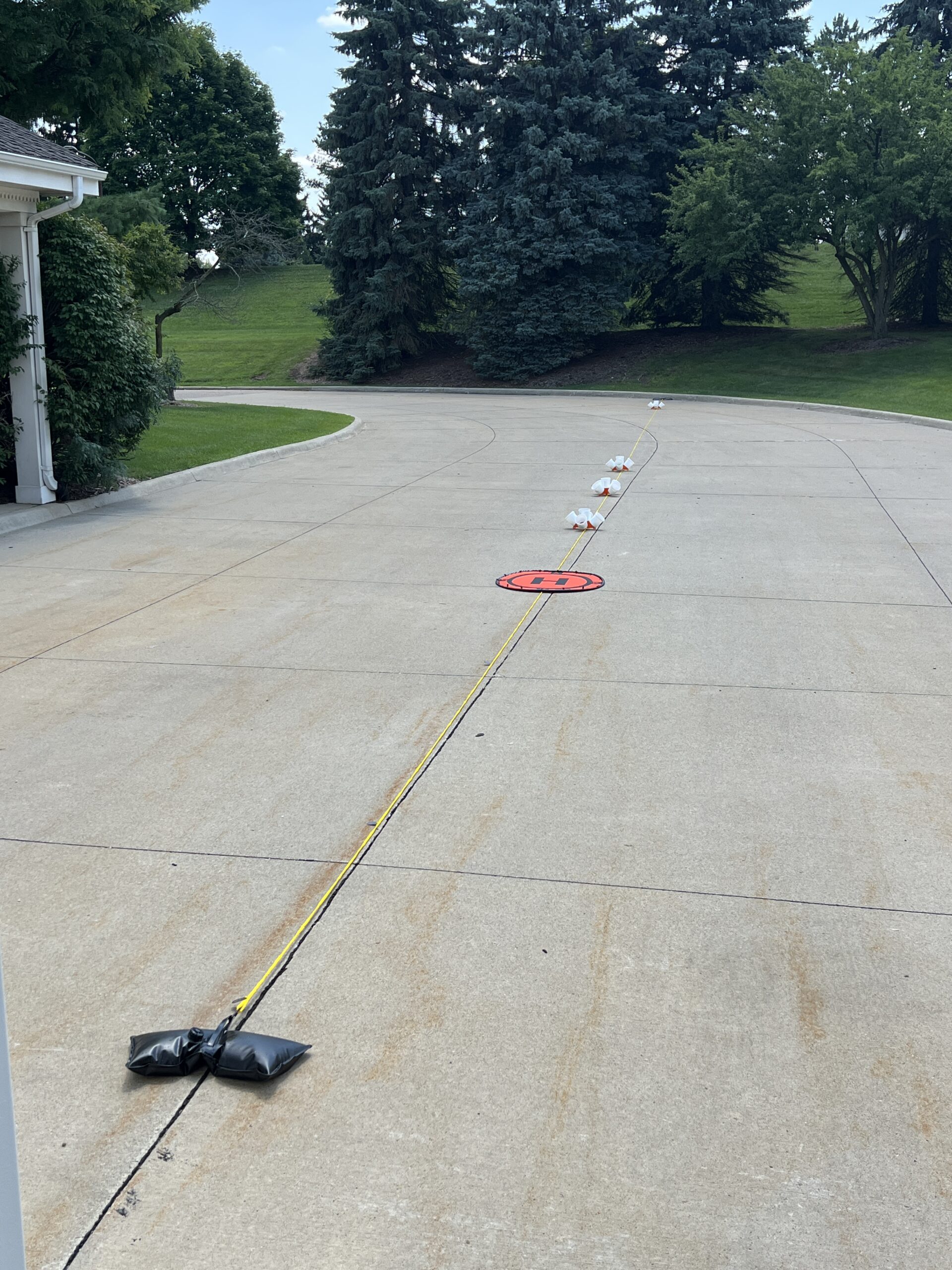
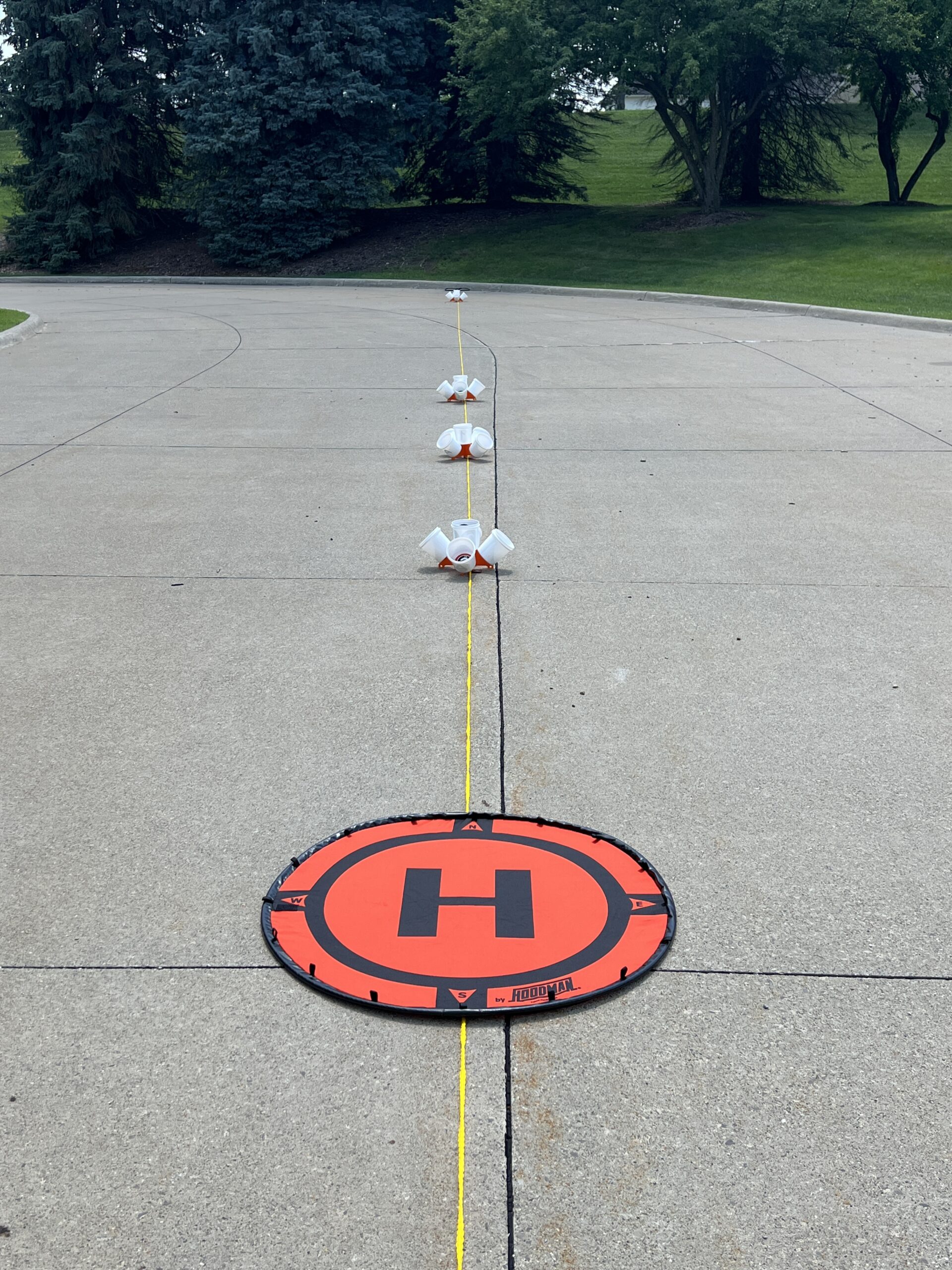
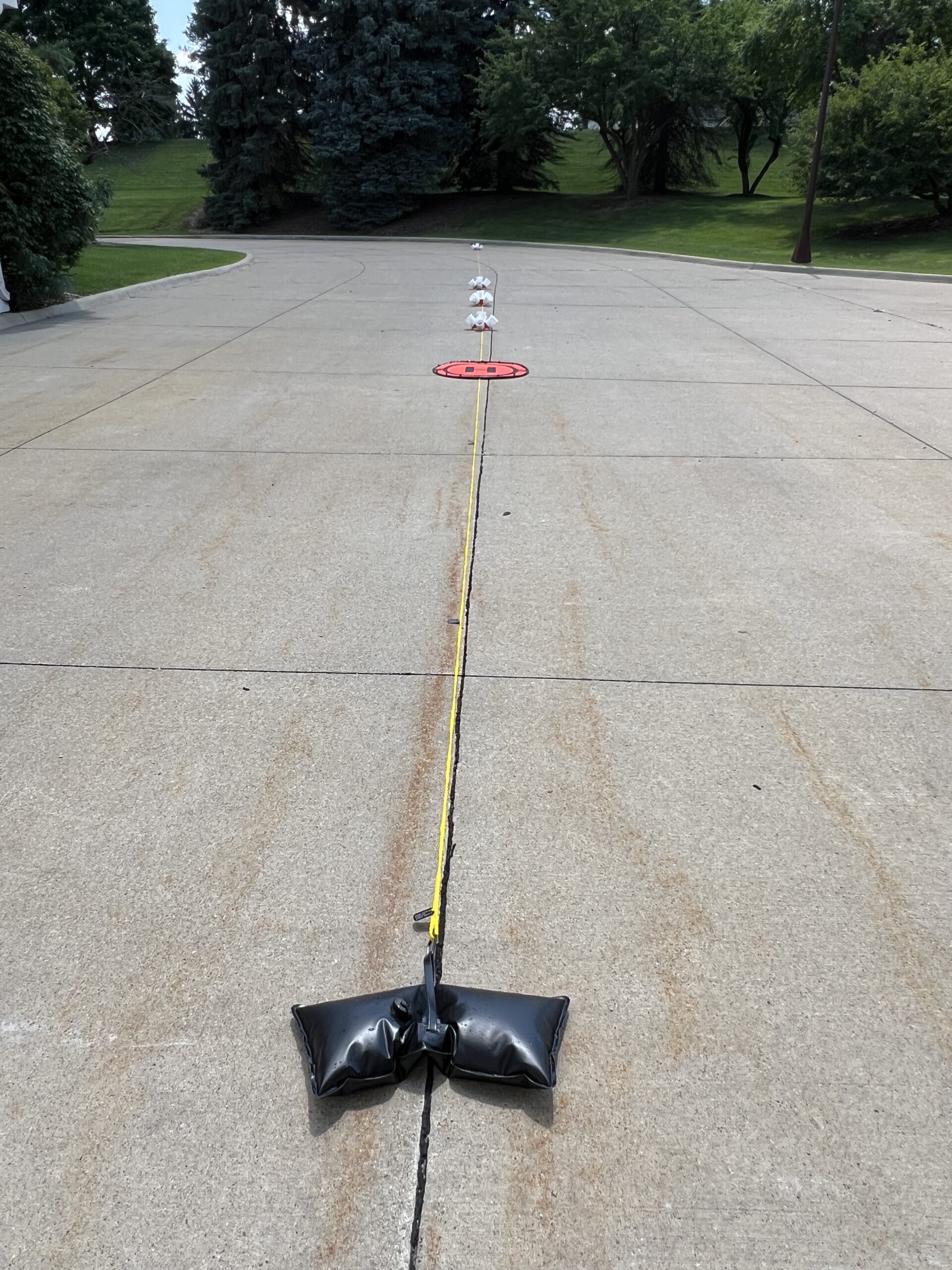
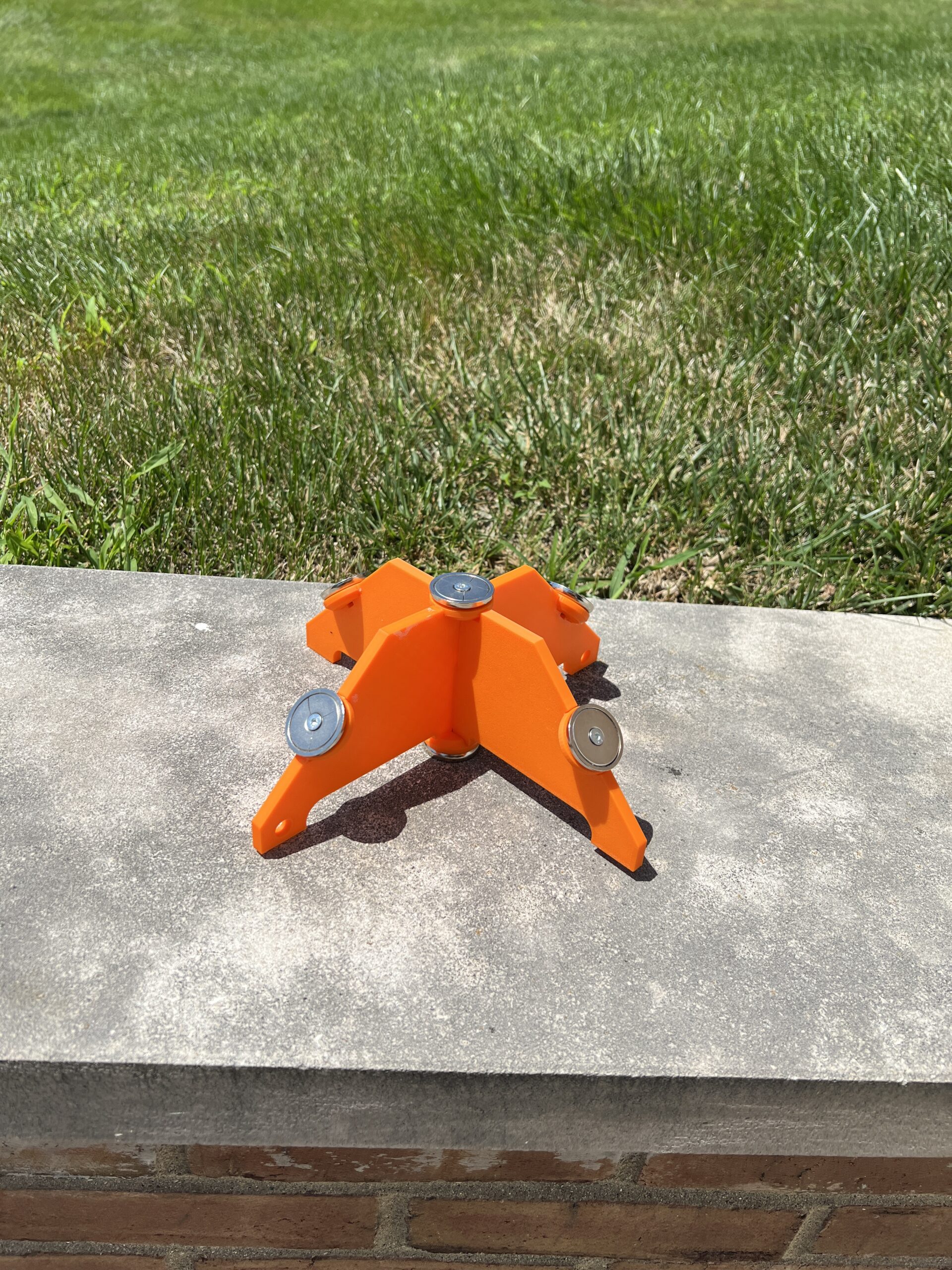
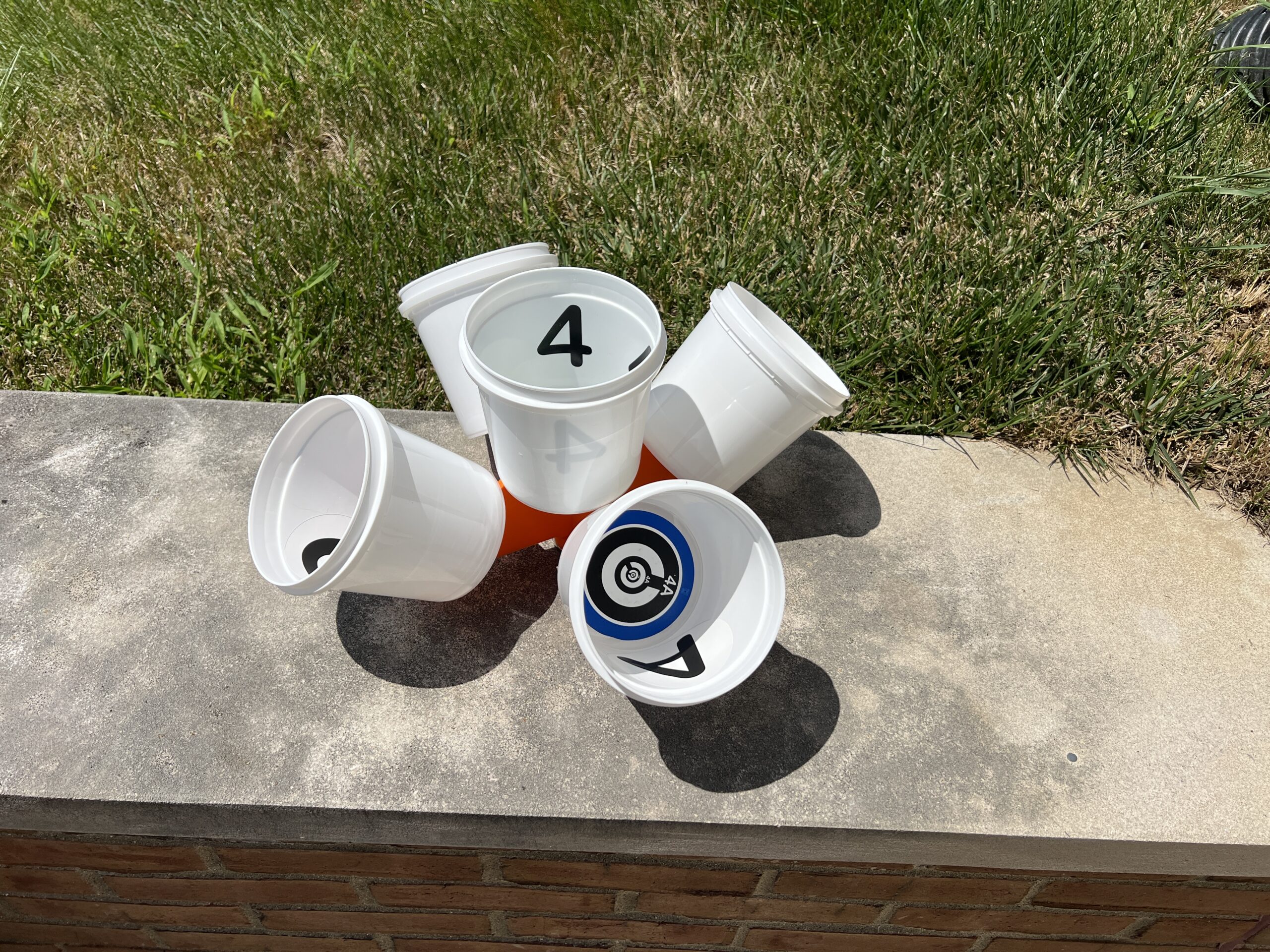
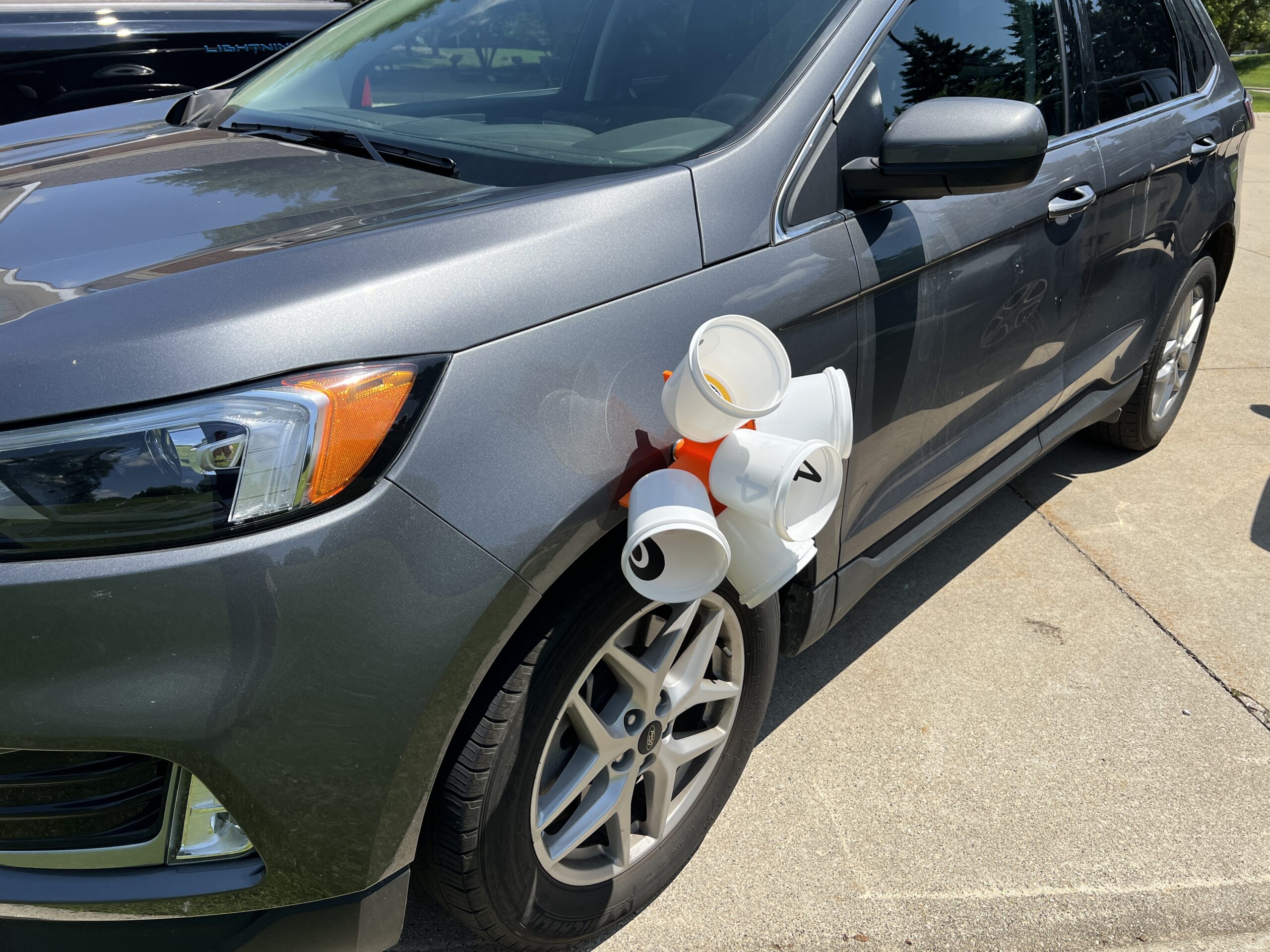
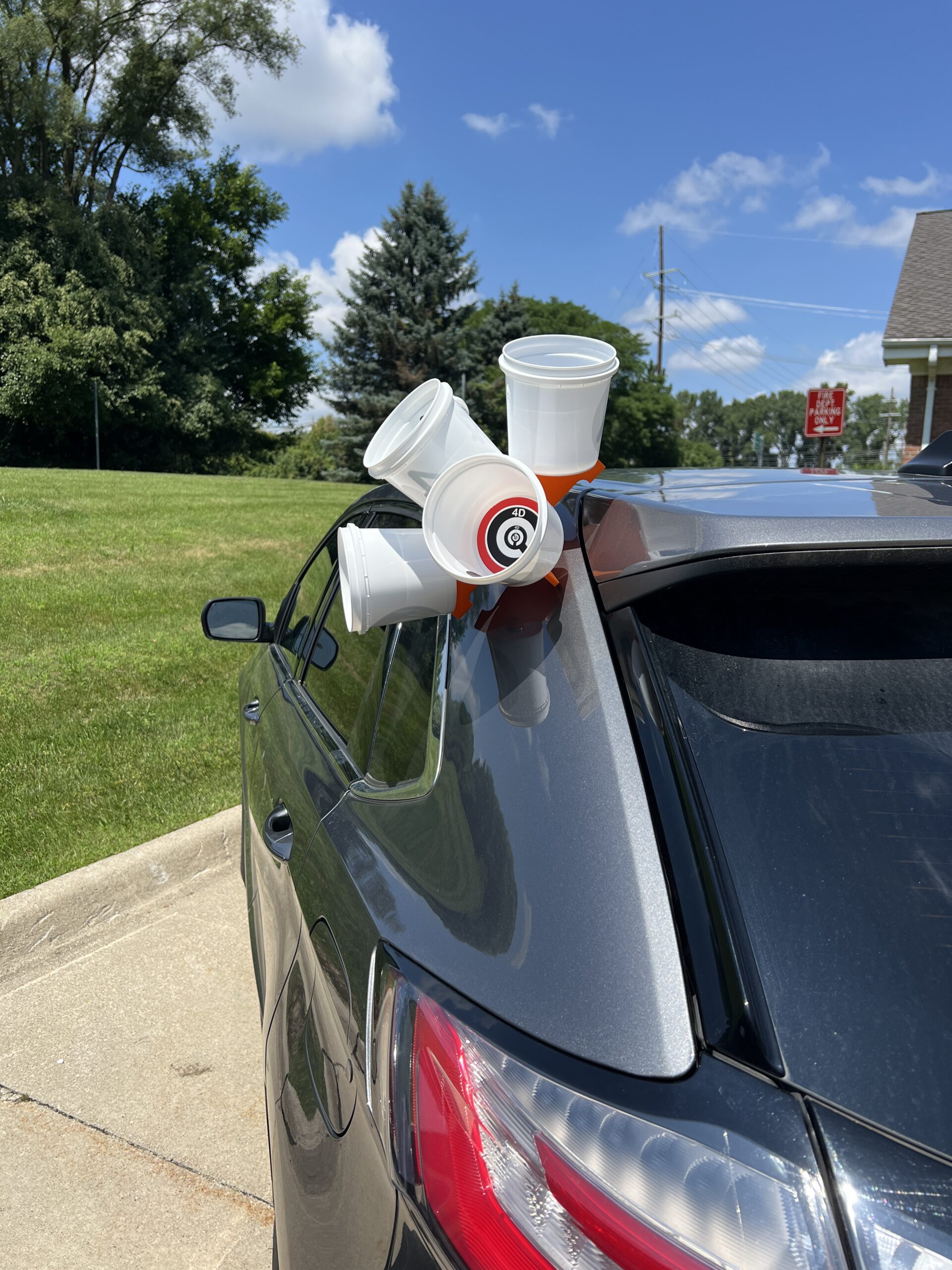
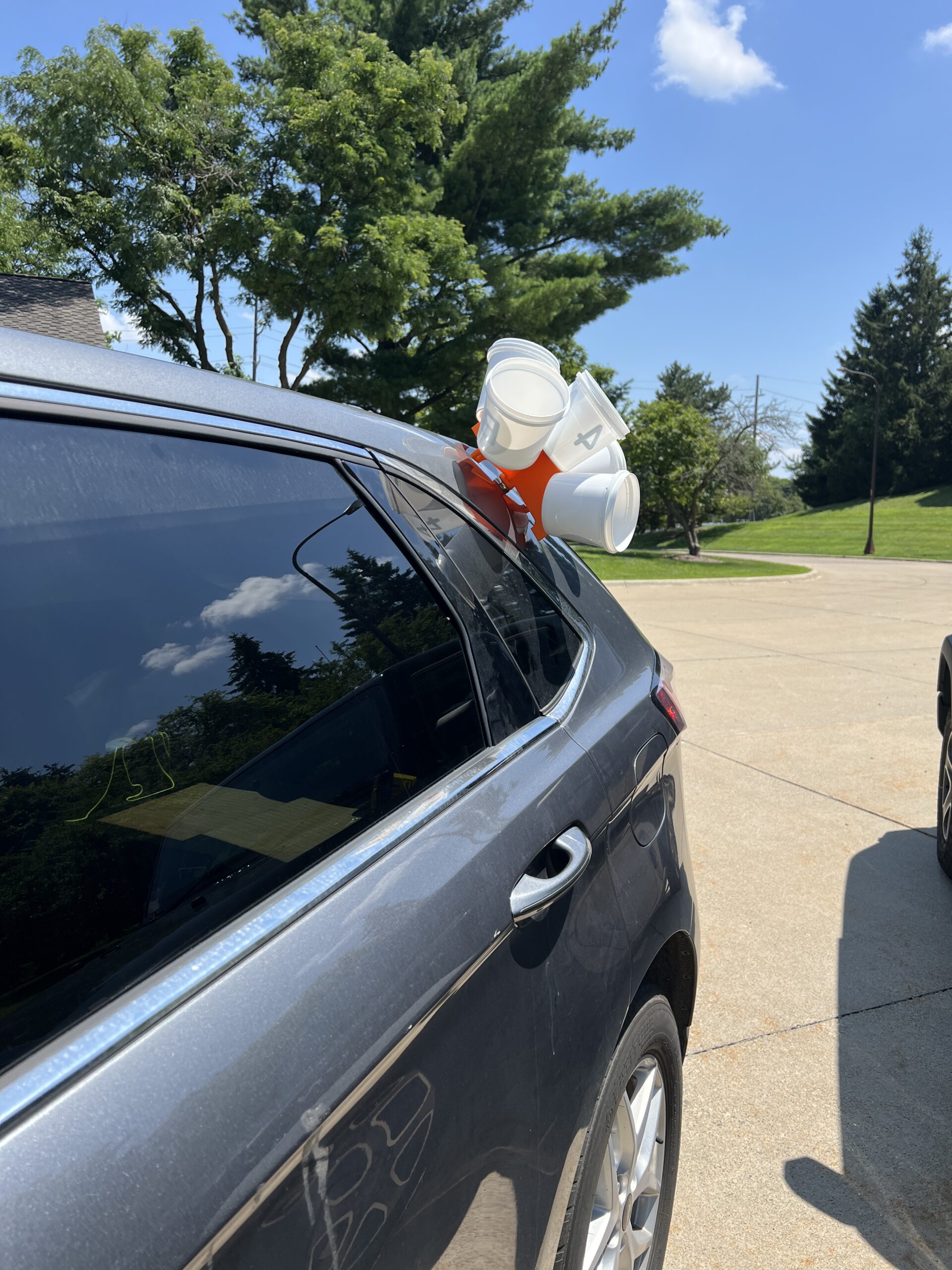
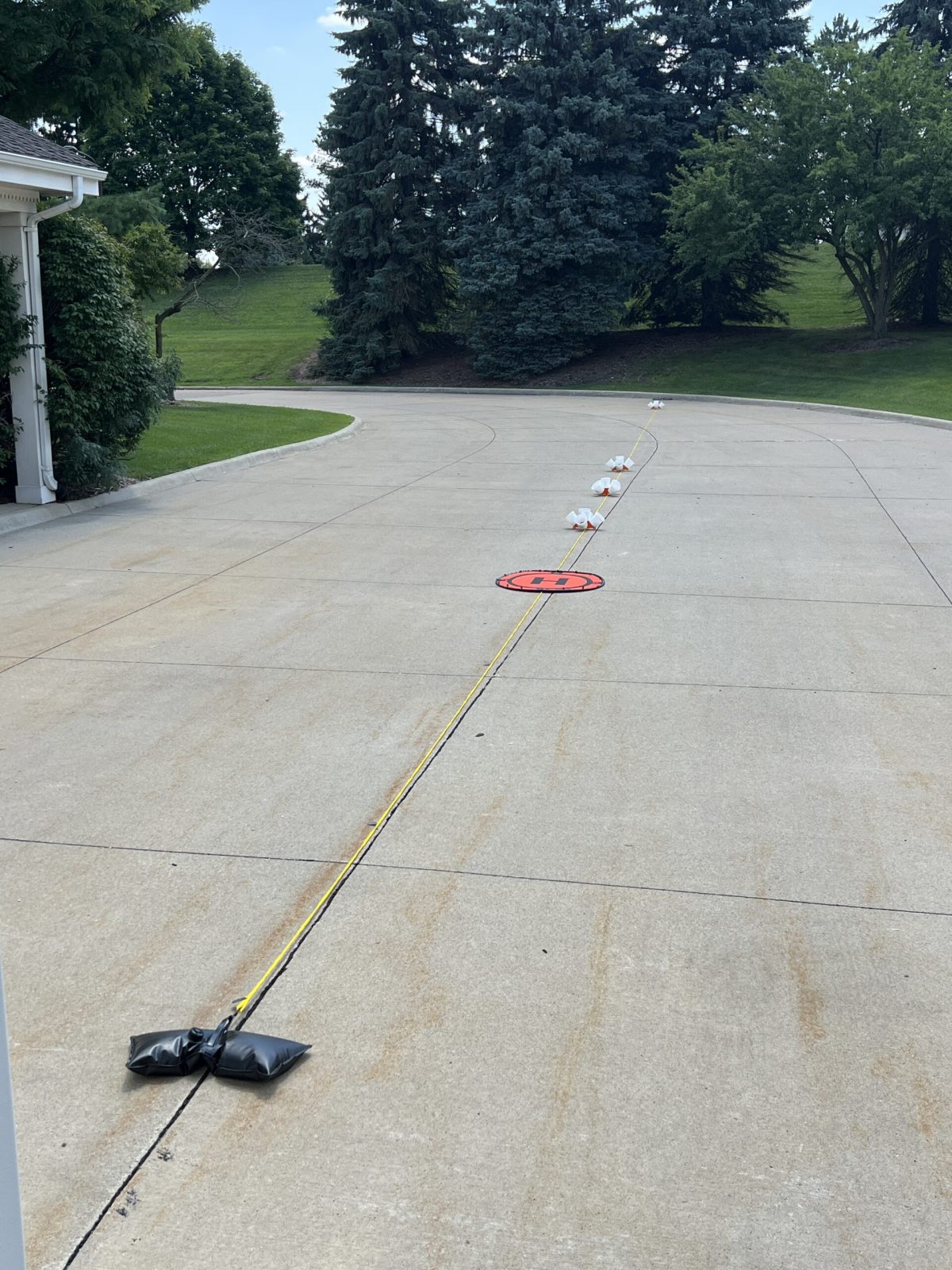
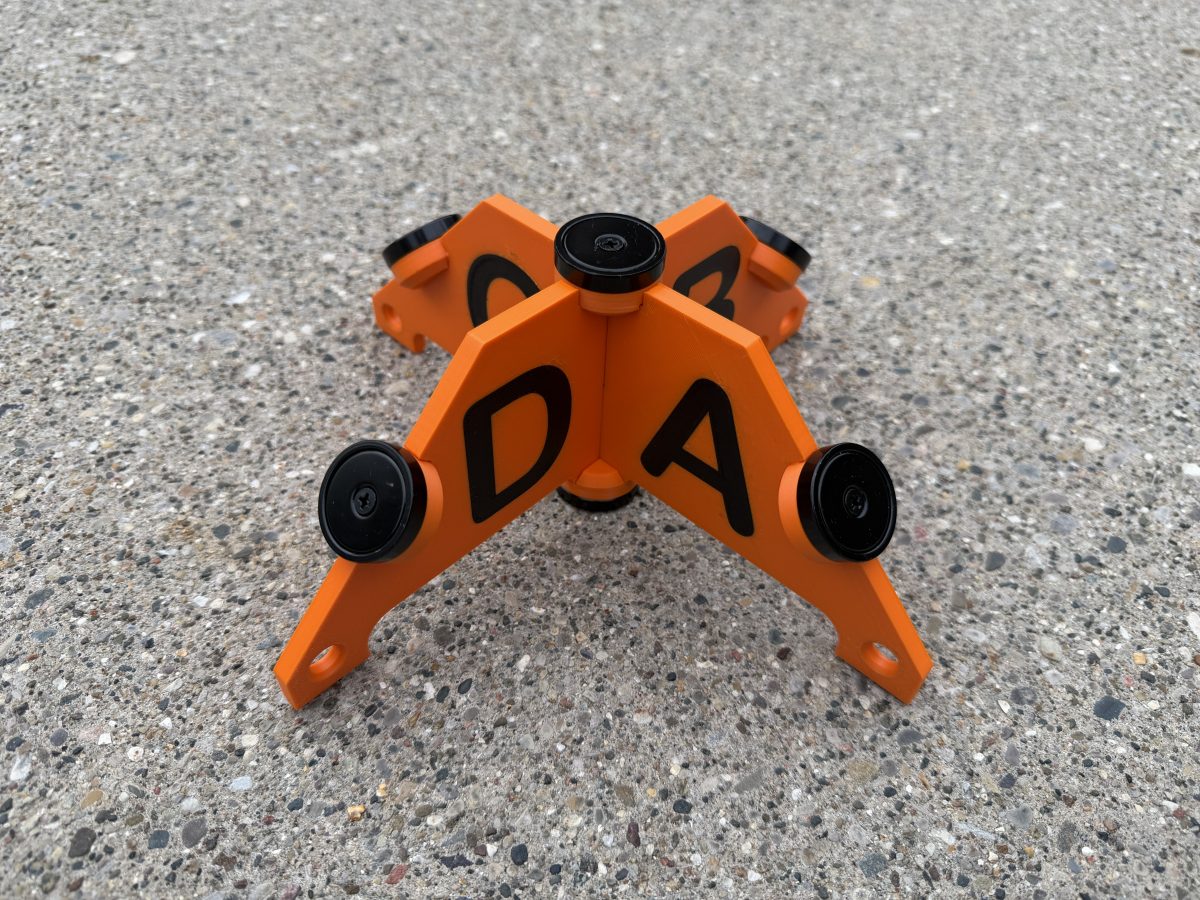
This kit is made by me and is designed to have a completely portable and easy-to-layout product that will allow users to administer the NIST sUAV Proficiency Test anywhere. The main backbone is the pre-marked 100′, 200′, or 300′ rope that is held in place at either end with water-filled bags. The Omni-directional target stands are 3D printed and feature strong magnets for both mounting the target buckets and attaching directly to buildings, vehicles, or metal surfaces.
Fully aligned with NIST Level 1–5 Open Test Lane protocols, this turnkey kit delivers repeatable, standards-based evaluation of pilot maneuvering skills and payload performance. Built for first responders, public safety agencies, UAS training programs, and professional operators who need mission-ready proficiency.
Kit Components:
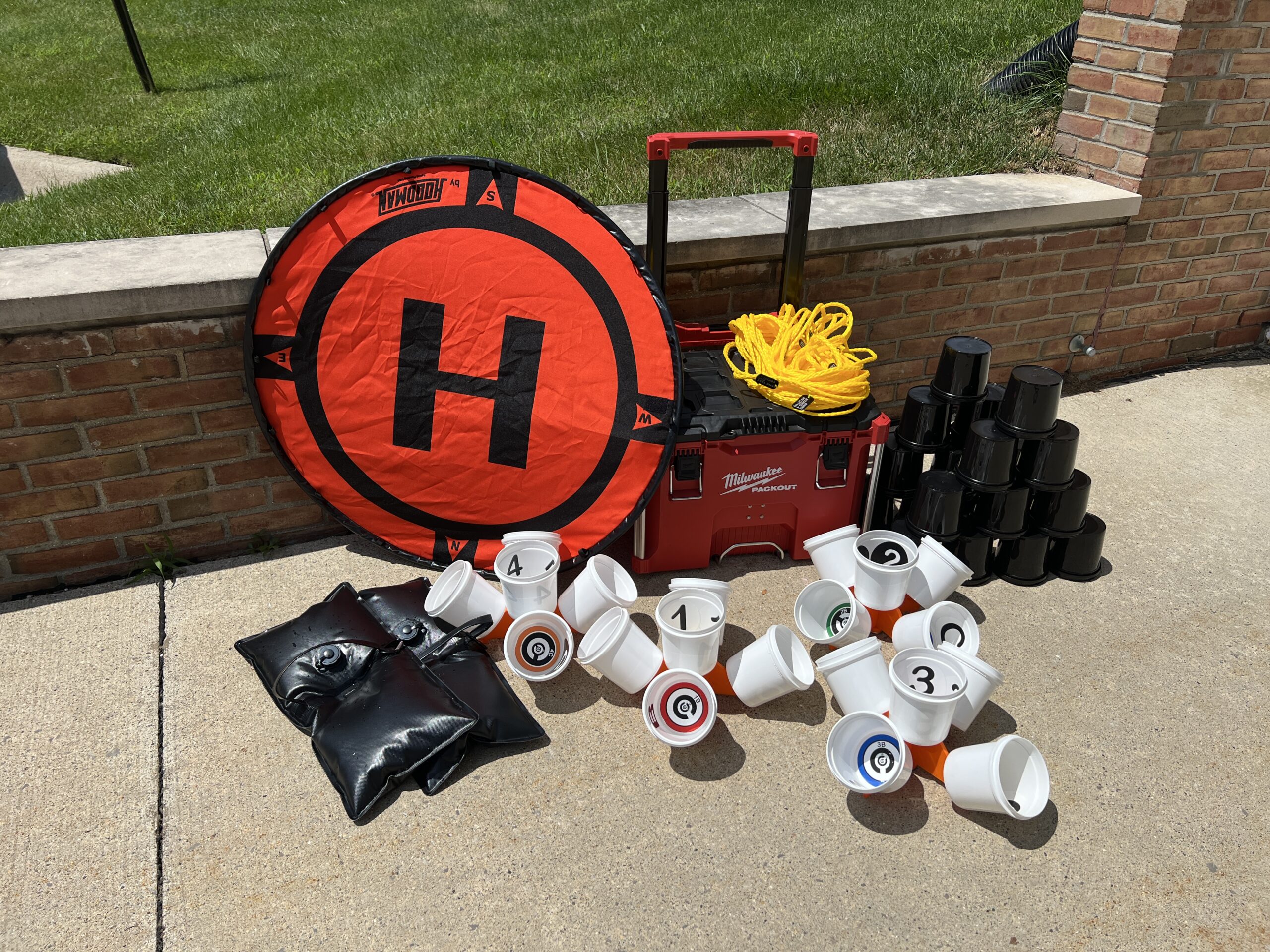
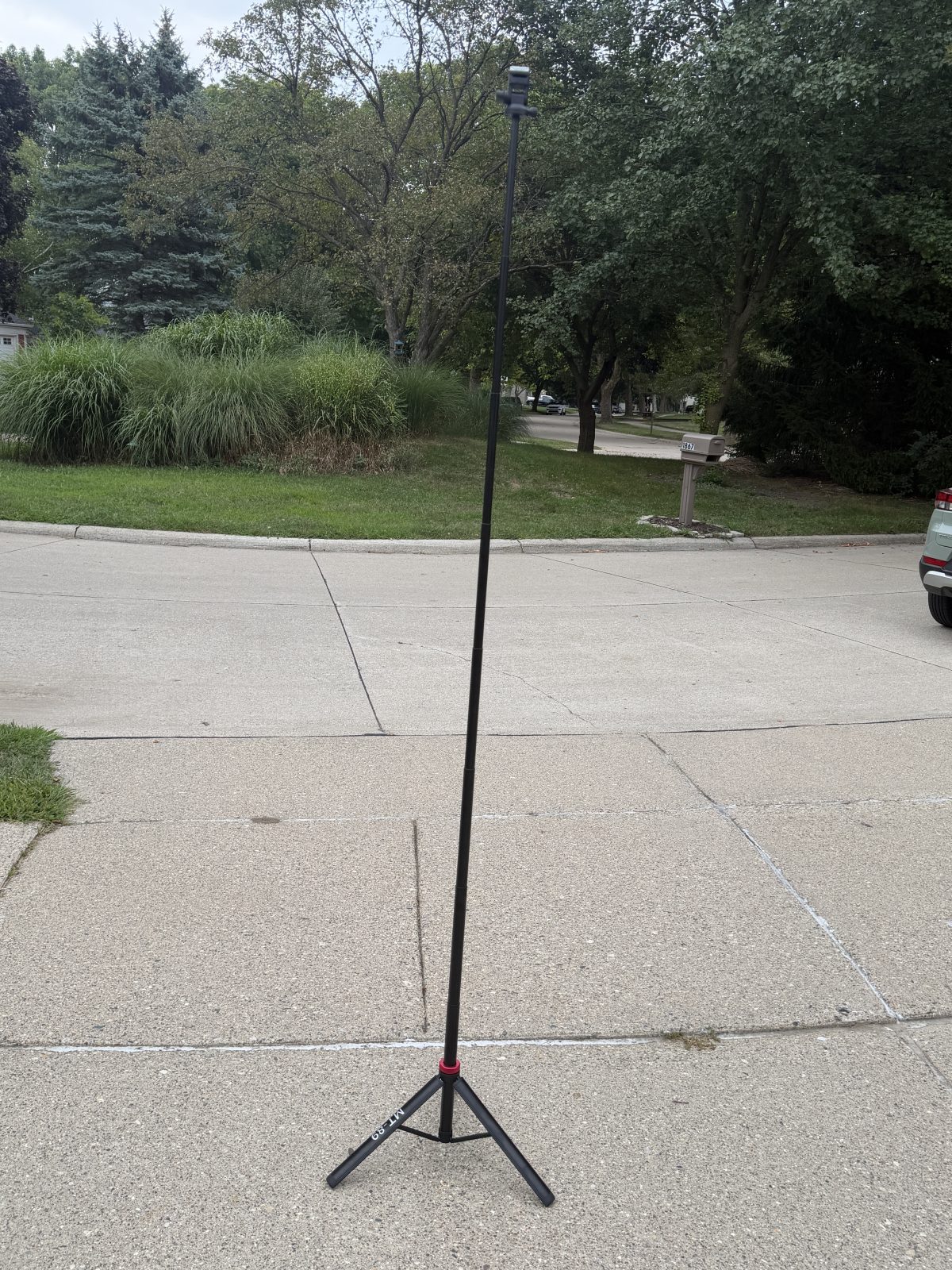
- (4) Two-Part Omni-Directional Target Stands – 3D printed, lightweight, modular design with powerful magnets and pre-drilled holes. Quickly mount on tripods, vehicles, walls, or metal surfaces.
- (1) 100′ Pre-Marked Course Layout Line – Accurately marked for target placement, pilot position, and landing pad. Includes integrated compass for precise heading alignment. (200′ and 300′ versions available separately.)
- (2) 5 lb Water-Fillable Anchor Bags (Water not included) – Simple, effective way to secure the layout line indoors or outdoors using included clips.
- (1) Open Environment Sensor Target – For testing camera and payload performance in real-world conditions.
- (10) White Target Buckets + (10) Black Target Buckets – Standard NIST visual targets for identification, tracking, and maneuvering drills.
- (1) Folding High-Contrast Landing Pad – Perfect for testing landing accuracy and vertical stability.
- (1) Laminated, Water-Resistant Setup Guide – Field-ready instructions for fast setup of NIST Levels 1–5.
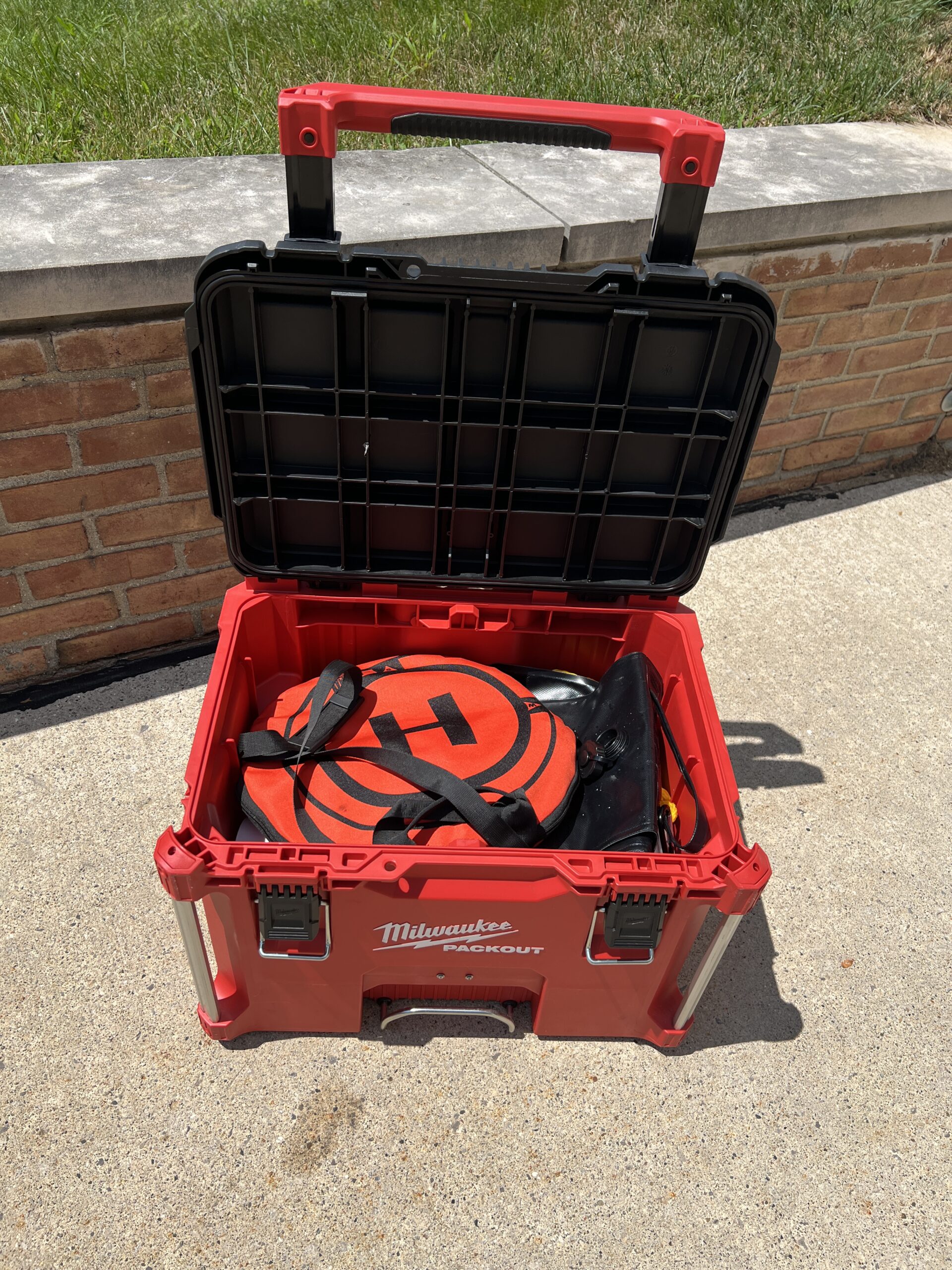
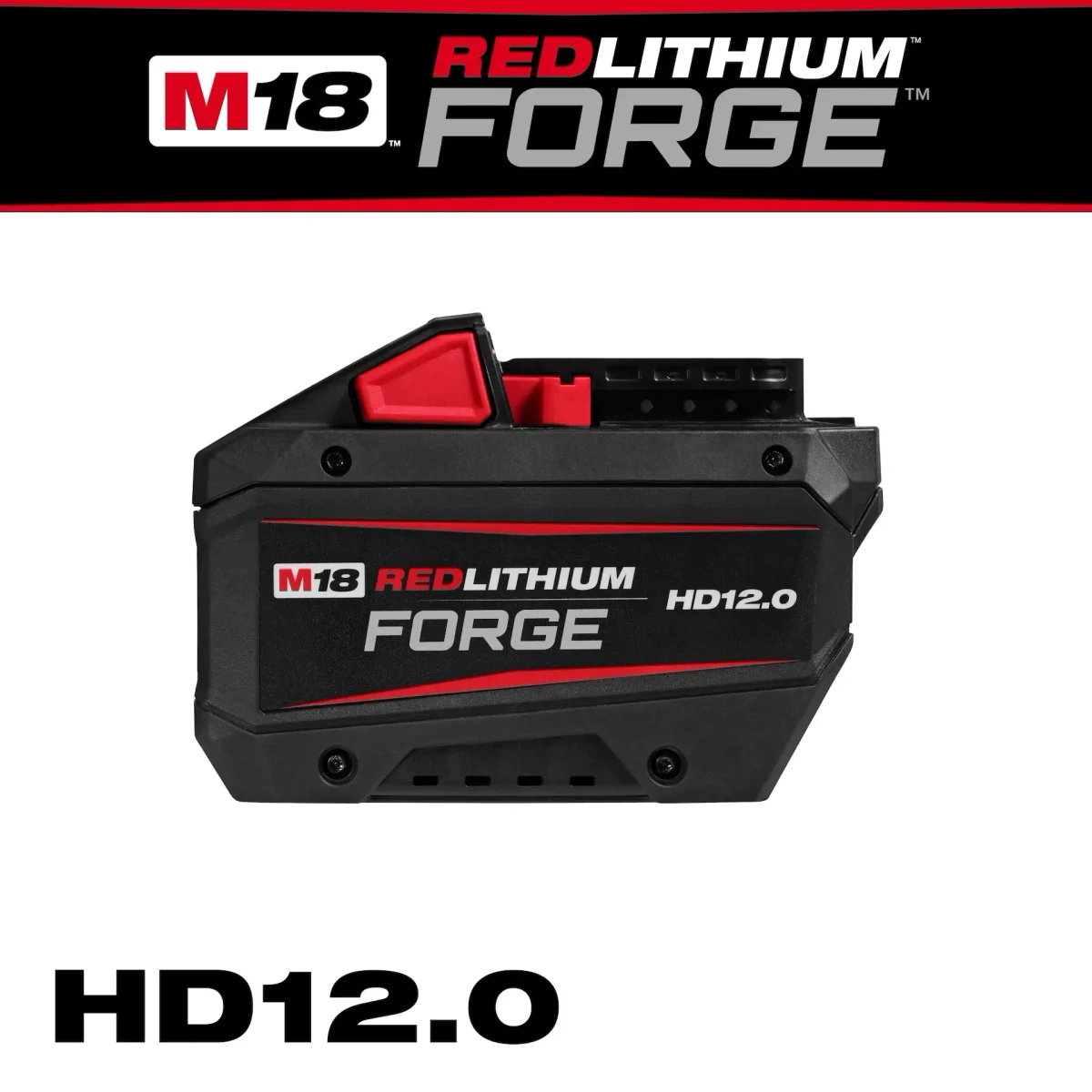
- (1) Rugged Milwaukee Packout Rolling Carrying Case – Industry Standard Heavy-duty, organized protection for all components.
- Over 60 Different Sensors – Includes items from Lane 1-3 courses, HazMat placards, LEO items, and more.
Optional Accessories (Sold Separately):
- 200′ and 300′ Pre-Marked Course Layout Lines
- Blank Sensor Target Packs – Add your own custom sensors for enhanced mission-specific training
Key Features:
- Truly Portable & Quick Setup – Deploy in minutes on grass, pavement, gym floors, or hangar floors
- Flexible 3D-Printed Magnetic Targets – Mount almost anywhere for dynamic, realistic scenarios
- NIST-Aligned & Repeatable – Standardized testing for both flight skills and payload effectiveness
- Indoor + Outdoor Ready – Works in any environment
Train smarter. Certify with confidence. Deploy with readiness.
Whether you’re training new remote pilots or maintaining operational proficiency for your team, this kit brings professional NIST testing capability to any location with minimal hassle. Built tough, designed smart, and made by someone who actually flies these missions.
NIST Remote Pilot Proficiency Test Levels 1–5 Explained
This kit is made by me and is designed to have a completely portable and easy-to-layout product that will allow users to administer the NIST sUAV Proficiency Test anywhere. The main backbone is the pre-marked 100′, 200′, or 300′ rope that is held in place at either end with water-filled bags. The Omni-directional target stands are 3D printed and feature strong magnets for both mounting the target buckets and attaching directly to buildings, vehicles, or metal surfaces.
The National Institute of Standards and Technology (NIST) has developed standardized test methods for small Unmanned Aircraft Systems (sUAS) to objectively measure remote pilot proficiency and system capabilities. These are widely used by first responders, public safety agencies, and training programs. They focus on two main scoring categories for every level:
- MAN (Maneuvering): How precisely and safely the pilot controls the drone’s flight path, position, and landings.
- PAY (Payload Functionality): How well the pilot uses the drone’s camera/sensor to identify, read, or inspect targets (e.g., visual acuity rings, colors, HazMat labels, LEO items).
Tests use the same omni-directional bucket stands and layout lines included in this kit. They are scalable (spacing and altitude increase with difficulty) and work indoors or outdoors.
Overview of NIST Levels 1–5
| Level | Name / Environment | Focus | Typical Setup | Who It’s For |
|---|---|---|---|---|
| Level 1 | Basic Proficiency Trial (Open Area) | Fundamental positive control & safe landings | Small lane (~50 ft), 3 bucket stands | New pilots, Part 107 refresh, basic safety checkride |
| Level 2 | Maneuvering Trials (Open) | Precise hovering, traversing, orbiting | Same open lane, more demanding paths | Building basic flight precision |
| Level 3 | Open Test Lanes & Scenarios | Full open-area maneuvering + payload tasks | Full 100–300 ft lane, 4 bucket stands, multiple flight paths | Intermediate to advanced pilots in clear environments |
| Level 4 | Obstructed Test Lanes & Scenarios | Flying near/around obstacles (vehicles, structures) | Modified lane with added barriers | Real-world public safety missions (e.g., vehicle inspection, building search) |
| Level 5 | Confined Test Lanes & Scenarios | Indoor, tight spaces, low clearance | Tight lane in gyms, hangars, or simulated structures | Advanced indoor operations, search & rescue in collapsed buildings |
Key Details on Each Level
- Level 1 – Basic Proficiency Quick “safety checkride.” Pilots perform simple takeoffs, landings in a 12-inch radius circle, basic climbs/descents, and alignments with bucket targets. Often completed in ~10 minutes. Great starting point for credentialing or recertification.
- Level 2 – Maneuvering Builds on Level 1 with more controlled movements: holding position while rotating, flying straight/level at set altitudes, traversing left/right, and accurate landings.
- Level 3 – Open Test Lanes The core of most training kits (what this kit is built for). Uses 5 different flight paths (Position, Traverse, etc.) along the layout line. Pilots must align the drone’s camera with specific buckets to capture clear images of targets inside. Includes over 60 sensor/identification tasks (HazMat, LEO items, etc.). Scalable by increasing spacing/altitude.
- Level 4 – Obstructed Adds complexity with physical obstacles. Pilots navigate around vehicles, structures, or barriers while still hitting precise payload tasks.
- Level 5 – Confined Highest difficulty: tight indoor or cluttered spaces requiring extreme precision and situational awareness.
Scoring & Use
Organizations set their own passing thresholds (e.g., 80%+ alignments within time limits). Results are repeatable and trackable over time — perfect for training progression, recertification, or comparing pilots/drones.
Why agencies love it:
- Low-cost, portable, and repeatable
- Works with any sUAS (visual line of sight or with observer)
- Referenced in NFPA 2400 for public safety UAS programs
- Supports both basic training and mission-specific scenarios (wide area search, vehicle inspection, etc.)
Train Smarter. Certify with Confidence. Deploy with Readiness.
This kit gives you everything needed to run Levels 1–3 right out of the rolling case, with optional extensions for 200’/300′ lines and custom sensors to reach higher levels. Whether you’re a solo trainer or running a full agency program, these NIST protocols deliver professional, standardized results every time.


Reviews
There are no reviews yet.